



2025-2026:
A YEAR
IN REVIEW


2025-2026:
A YEAR IN REVIEW
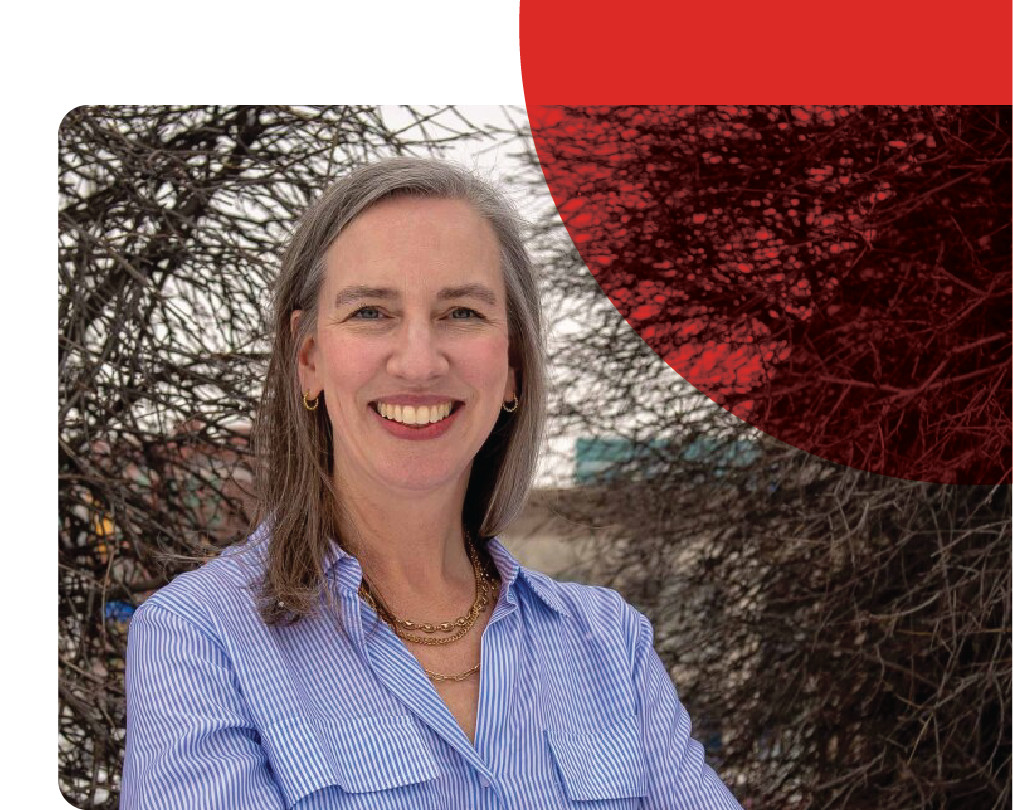
A Message from Our President and CEO
People have asked me why I joined United Way East Ontario. My answer is clear: United Way plays a critical role in solving the complex social issues facing many of us.
There is tremendous momentum in our communities right now to solve these problems—from housing and homelessness to mental health and addictions, poverty, basic needs, and more. All levels of government, local businesses, donors, and our partners in the social services sector are on board to help find where these challenges intersect and address them at their root.
I am passionate about ensuring everyone across our communities can thrive, and I am excited to join you in making that happen.
I also understand the effort it’s going to take to get us there.
Events across the globe continue to send our cost of living skyward. Demand for services has never been higher, and it’s not only adults in need—hundreds of young people in our region face homelessness, substance use, and mental health challenges each year.
It is in these extraordinary times that I am grateful for the work I witness every day at United Way. Our commitment—to bring leaders from various sectors to the table, to share information, contribute resources, align around a common goal, and amplify success—is crucial to finding answers for these challenges. We cannot do this alone.
I’m also thankful for our donors, partners, supporters, volunteers, and staff members who continue to show up every single day, knowing that brighter futures are possible for so many across Prescott-Russell, Ottawa, Lanark County, and Renfrew County when we work together.
This report provides an opportunity to look at how your support is changing lives. I hope it gives you pride and allows you to feel that much more connected with your community. With your support, we are fueling solutions to make our communities and neighbours stronger every day.
This year, I have already had some fantastic conversations with partners in Prescott-Russell who are reducing social isolation for people in areas with limited resources. In Lanark County, I spoke with some of our partners who are addressing youth homelessness, and in Renfrew County, there is some truly ground-breaking work being done to stop gender-based violence and support victims.
In Ottawa, we are targeting youth homelessness by raising $1 million over the next five years. I’m thrilled to advance United Way’s work to end this issue, not just in the city, but across our region. We know solving homelessness is about more than providing shelter—we must provide wrap-around supports like employment, food security, transportation, and mental health services as well. This kind of support is only possible when we bring partners together and ensure resources are distributed to have the greatest impact.
I’m also looking forward to seeing project step turn 20 in 2027. This partnership between United Way, local community health agencies, and school boards, addresses the need for support, treatment, education and prevention of problematic substance and technology use among young people. It’s another example of how United Way provides key resources for vulnerable people at pivotal times to see them thrive.
As new President and CEO, my plan for 2026-27 largely involves listening and affirming our direction as an organization. I want to hear more about how our donors, volunteers, and community members see us showing up in their communities.
People have asked me why I joined United Way East Ontario. My answer is clear: United Way plays a critical role in solving the complex social issues facing many of us.
There is tremendous momentum in our communities right now to solve these problems—from housing and homelessness to mental health and addictions, poverty, basic needs, and more. All levels of government, local businesses, donors, and our partners in the social services sector are on board to help find where these challenges intersect and address them at their root.
I am passionate about ensuring everyone across our communities can thrive, and I am excited to join you in making that happen.
I also understand the effort it’s going to take to get us there.
Events across the globe continue to send our cost of living skyward. Demand for services has never been higher, and it’s not only adults in need—hundreds of young people in our region face homelessness, substance use, and mental health challenges each year.
It is in these extraordinary times that I am grateful for the work I witness every day at United Way. Our commitment—to bring leaders from various sectors to the table, to share information, contribute resources, align around a common goal, and amplify success—is crucial to finding answers for these challenges. We cannot do this alone.
I’m also thankful for our donors, partners, supporters, volunteers, and staff members who continue to show up every single day, knowing that brighter futures are possible for so many across Prescott-Russell, Ottawa, Lanark County, and Renfrew County when we work together.
This report provides an opportunity to look at how your support is changing lives. I hope it gives you pride and allows you to feel that much more connected with your community. With your support, we are fueling solutions to make our communities and neighbours stronger every day.
This year, I have already had some fantastic conversations with partners in Prescott-Russell who are reducing social isolation for people in areas with limited resources. In Lanark County, I spoke with some of our partners who are addressing youth homelessness, and in Renfrew County, there is some truly ground-breaking work being done to stop gender-based violence and support victims.
In Ottawa, we are targeting youth homelessness by raising $1 million over the next five years. I’m thrilled to advance United Way’s work to end this issue, not just in the city, but across our region. We know solving homelessness is about more than providing shelter—we must provide wrap-around supports like employment, food security, transportation, and mental health services as well. This kind of support is only possible when we bring partners together and ensure resources are distributed to have the greatest impact.
I’m also looking forward to seeing project step turn 20 in 2027. This partnership between United Way, local community health agencies, and school boards, addresses the need for support, treatment, education and prevention of problematic substance and technology use among young people. It’s another example of how United Way provides key resources for vulnerable people at pivotal times to see them thrive.
As new President and CEO, my plan for 2026-27 largely involves listening and affirming our direction as an organization. I want to hear more about how our donors, volunteers, and community members see us showing up in their communities.
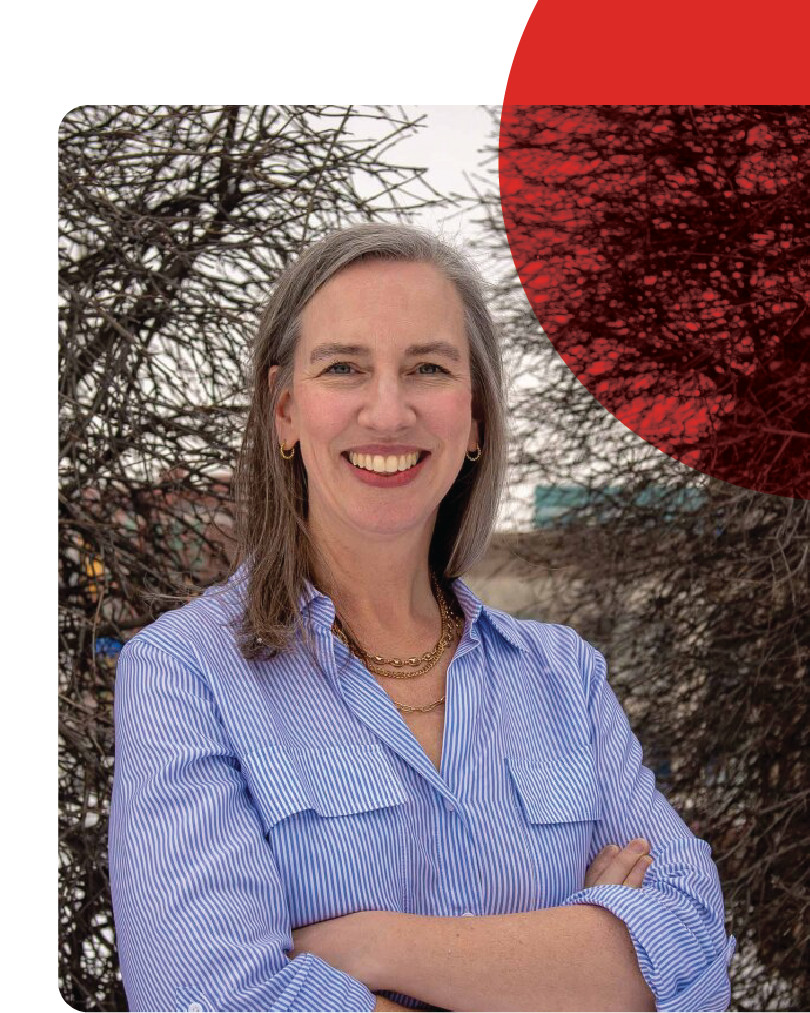
I know how vital partnerships are in making our communities healthier, stronger, and safer for everyone. I believe there is a real commitment across our communities to see positive, long-lasting, meaningful change, and United Way is playing a critical role in turning that into action.
I look forward to working alongside all of you.
With gratitude,
Rachael Wilson
President and Chief Executive Officer
United Way East Ontario
Investments Across the Region
This online preview of our annual report offers a snapshot of what we’ve accomplished together over the past year in Prescott-Russell, Ottawa, Lanark County, and Renfrew County.
See how we’re creating lasting social change through three focus areas:
By putting more kids on track to succeed, we can help all youth in our communities reach their full potential.
By helping people achieve financial independence and stability, we can move them from poverty to possibility.
By improving equity, connections, and wellbeing for vulnerable groups, our communities can be great for everyone.
In 2024-25, we invested in:
collaborations and initiatives
programs
community agencies
collaborations
and initiatives
programs
community
agencies
As a result of these investments:
people were supported
people volunteered with our agency partners
total
volunteer hours
people were supported
people volunteered with our agency partners
total volunteer hours

How much we invested together in community work across our region in 2024-2025:
Total:*
All That
Kids Can Be:
From Poverty to Possibility:
Healthy People, Strong Communities:
All That
Kids Can Be:
From Poverty to Possibility:
Healthy People, Strong Communities:
* Program reporting period: July 1, 2024, to June 30, 2025 (12-month investments). Program reports due to United Way in August 2025. Outcome data analyzed and reported by United Way in September 2025.
Watch
A special video that highlights our impact and expresses our gratitude for your support!
All That Kids Can Be
United Way helps children and youth overcome barriers by supporting programs that strengthen early childhood development, success in school, mental health, and stability—from infancy through adolescence. By working with community partners, this work creates opportunities for young people to thrive, build resilience, and reach their full potential.
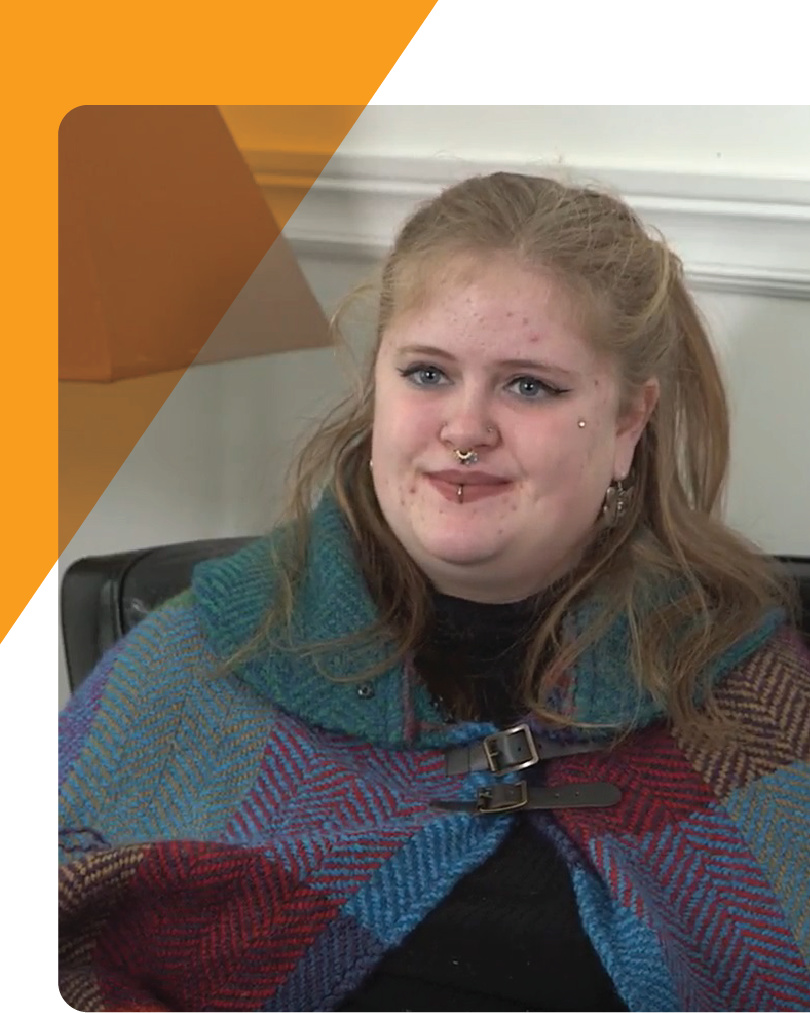
Programs like these are what help pull our youth out of dark places. I’ve been able to step out of survival mode and plan for my future.
—Natasha, former youth in crisis at Columbus House Pembroke
The Issue
Childhood doesn’t look the same for everyone.
Across our communities, many children are navigating complex challenges that shape their development, wellbeing, and sense of belonging. They are falling behind on key developmental milestones, including opportunities to build social connection and emotional regulation skills. At the same time, children and caregivers alike are experiencing heightened stress and isolation as routines and supports continue to shift.
47%
of people experiencing homelessness first experienced it before age 25.
2x
Between 2019 and 2023, the number of 5 to 13 year olds struggling with behaviours and soft skills like concentration, emotional regulation, social connection, and anxiety, nearly doubled.
Nearly
2 in 5
Ottawa students report struggling with their mental health, and 33% of those needing mental health support did not seek it.
Our Response
Working with local, frontline partners, United Way helps children, youth, and families facing the greatest barriers access the programs and supports they need to thrive.
Building momentum on youth homelessness prevention
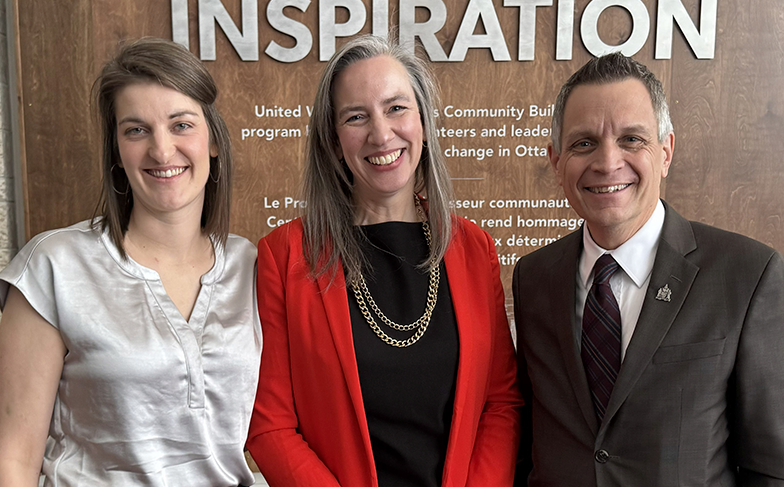
In January 2026, we made a bold commitment to raise $1 million over five years, rallying our community around prevention and early action to help end youth homelessness in Ottawa.
project step’s Goals and Milestones initiative
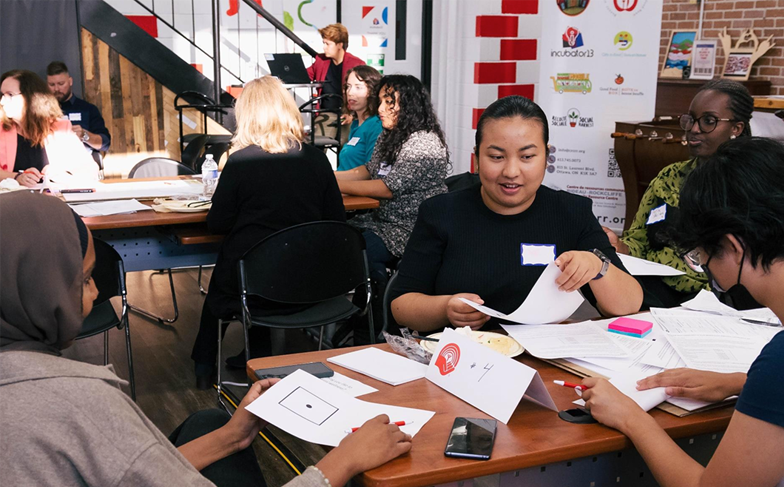
In 2025, project step completed its three‑year Goals and Milestones initiative, strengthening collaboration across six priority areas and building stronger data, communications, fundraising, and internal systems.
Understanding rural youth homelessness
Last year, the Rural Youth Homelessness Network, led by United Way East Ontario and Cornerstone Landing Youth Services, focused on closing data gaps related to hidden homelessness and fragmented systems—improving how rural youth homelessness is understood.
Our Impact
With our supporters, United Way helped 16,679 youth and their families across our region take steps toward a brighter future in 2024-2025. Together, we are helping them along their path to success and achieving results like these:

Outcomes | Impact | Results |
|---|---|---|
Children are ready to learn | 87% of caregivers reported having increased confidence in their parenting ability | 894 families/caregivers served that were provided with information, resources, tools, trainings, and/or teaching skills |
Children and youth are successful in school | 85% of children developed soft skills like time management, communication, and critical thinking | 1,186 youth served who participated in school and/or community-based out-of-school time programs focused on academic success |
Children and youth have access to mental health, addiction, and crisis supports | 87% of youth achieved their counselling goals | 6,995 youth accessed a mental health, addiction, and/or crisis support program |
Children and youth experiencing homelessness receive supports | 160 youth moved into affordable
housing with no limitations or
requirements | 163 youth living in emergency shelters or transitional housing received supports to live independently |
Children and youth are actively engaged and resilient | 88% youth reported improved emotional wellbeing and better access to positive coping strategies | 15,622 youth served who were equipped with tools to improve their emotional wellbeing, prosocial behaviors, and positive coping strategies |
Our Goals for the Future
In 2026-27, together we will:
- Advance a coordinated, regionwide approach to prevent and end youth homelessness by convening cross-sector partners and supporting community-led solutions grounded in evidence and lived experience.
- Work with partners and supporters to reduce the harm youth experience as a result of problematic substance and technology use. To do this, we will work alongside youth, education, health, and community leaders to combine advocacy, shared learning, and targeted investment to strengthen and scale initiatives that drive sustainable change.
Want to learn more? Dive into the full All That Kids Can Be section of the report.
From Poverty to Possibility
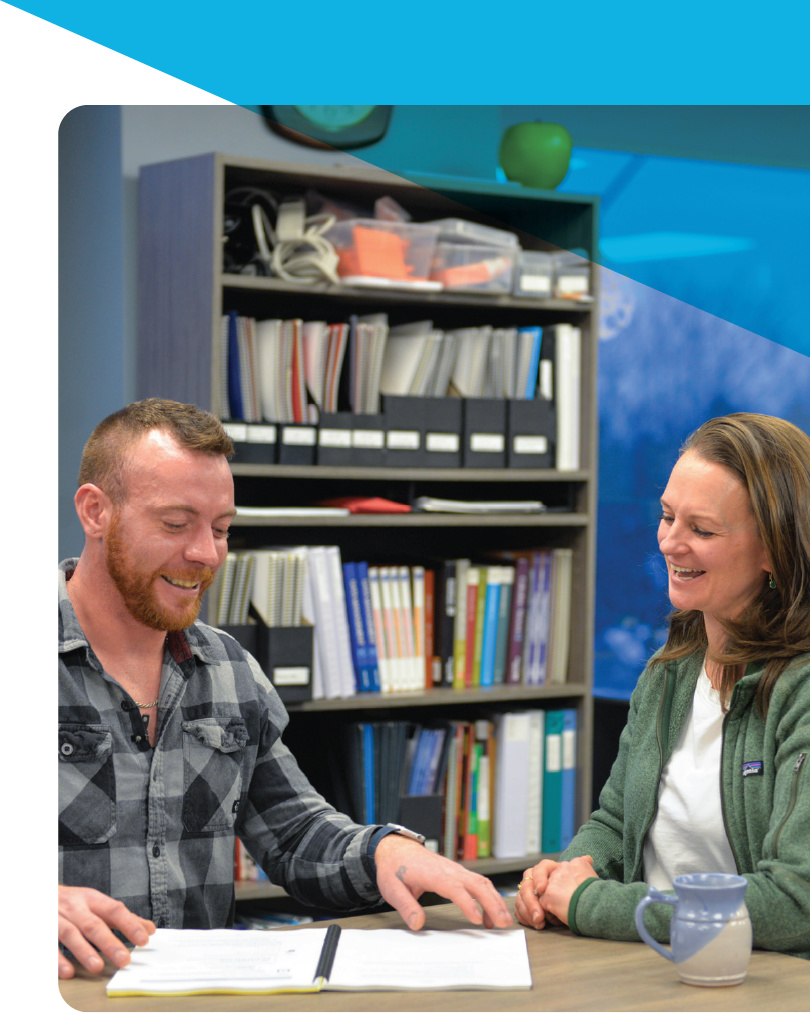
United Way partners with organizations like the John Howard Society to offer programs like Arches, which break down barriers and empower people in our communities to achieve financial independence and stability. We help individuals and families meet their basic needs during crises, while also working on long-term solutions to improve lives for the next generation.
From our very first meeting, Rachel [an employment facilitator at the John Howard Society] showed me a caring and compassionate approach. She was accepting of me, non-judgmental, and made me feel like I was just the same as any other person who wanted some direction and change in their life.
—Brandan, recent Arches Supportive Employment Program participant
The Issue
Poverty isn’t a level playing field.
Many marginalized groups are more likely to live in poverty because of systemic issues—as many continue to face stigma, biases, and other forms of oppression, it can be even harder to secure a good job and financial independence.
2x
Unemployment rate among very recent immigrants was twice as high compared to those born in Canada in the age category of 25 to 64.
24+%
Food insecurity in East Ontario exceeds the provincial average of 24.8%, reaching nearly 26% in Ottawa and 31% in Renfrew.
14.7%
The unemployment rate among youth aged 15 to 24 years reached 14.7% in September 2025, the highest youth unemployment rate for that month since 2010 (excluding 2020, the first year of the COVID-19 pandemic).
Our Response
United Way brings together partners, donors, employers, and community leaders to support inclusive employment programs that promote recovery, wellness, and long‑term stability across East Ontario.
Increasing opportunities for people with disabilities
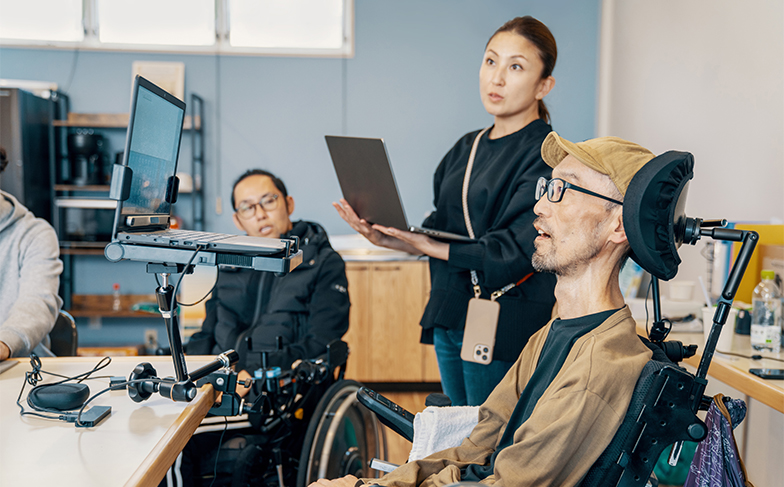
United Way helped increase employment opportunities for people with disabilities through the Employment Accessibility Resource Network—connecting employers with community partners, advancing inclusive hiring, supporting workplace accommodations, and reducing barriers across our region.
Accessing the talents of skilled immigrants

Hire Immigrants Ottawa (HIO), a United Way East Ontario initiative, brought together 131 employers, industry leaders, and partners at the recent Employer Council of Champions Summit to explore the theme “Employer Leadership in a Changing Diversity, Equity, and Inclusion Landscape”.
Building culturally safe workplaces for Indigenous Peoples

In 2025, United Way brought partners together through the Indigenous Employment Leadership Advisory Table to advance culturally safe workplaces—supporting Indigenous-led approaches to employment, inclusion, and self-determination across our region.
Our Impact
With our supporters, United Way helped 5,036 people move from poverty to possibility in 2024-2025. Together, we help people gain financial independence and achieve results like these:

Outcomes | Impact | Results |
|---|---|---|
Newcomers are engaged in the labour market | 37% of newcomer job seekers found employment | 1,353 individuals served by employment programs for newcomers1 |
People with disabilities are engaged in the labour market | 74% of job seekers with disabilities found employment | 1,408 individuals served by employment programs for people with disabilities2 |
Youth are supported in their transition to employment | 44% of clients enrolled in time limited education or training | 225 youth served by employment programs Priority populations are engaged in the labour market |
Priority populations are engaged in the labour markets | 46% of participants found outside employment as a result of the program | 3,268 individuals served by employment programs for all priority populations, including rural residents, Indigenous job seekers, newcomers, youth, and people with disabilities3 |
People in financial crisis receive supports | 96% of people supported felt safer and more secure | 1,661 people in financial crisis received financial services and supports |
1 includes HIO | 2 Includes EARN | 3 Includes EARN, HIO, and IELAT
Our Goals for the Future
In 2026-27, together we will:
- Champion and advance community wealth-building approaches across the region using advocacy, partnerships, and investment to make it easier for people—especially those facing barriers—to find good jobs, build financial stability, and benefit from a local economy that works for everyone.
- Remove barriers to economic participation so that more people can avoid poverty or build pathways out of it—particularly those facing systemic exclusion.
Want to learn more? Dive into the full From Poverty to Possibility section of the report.
Healthy People, Strong Communities
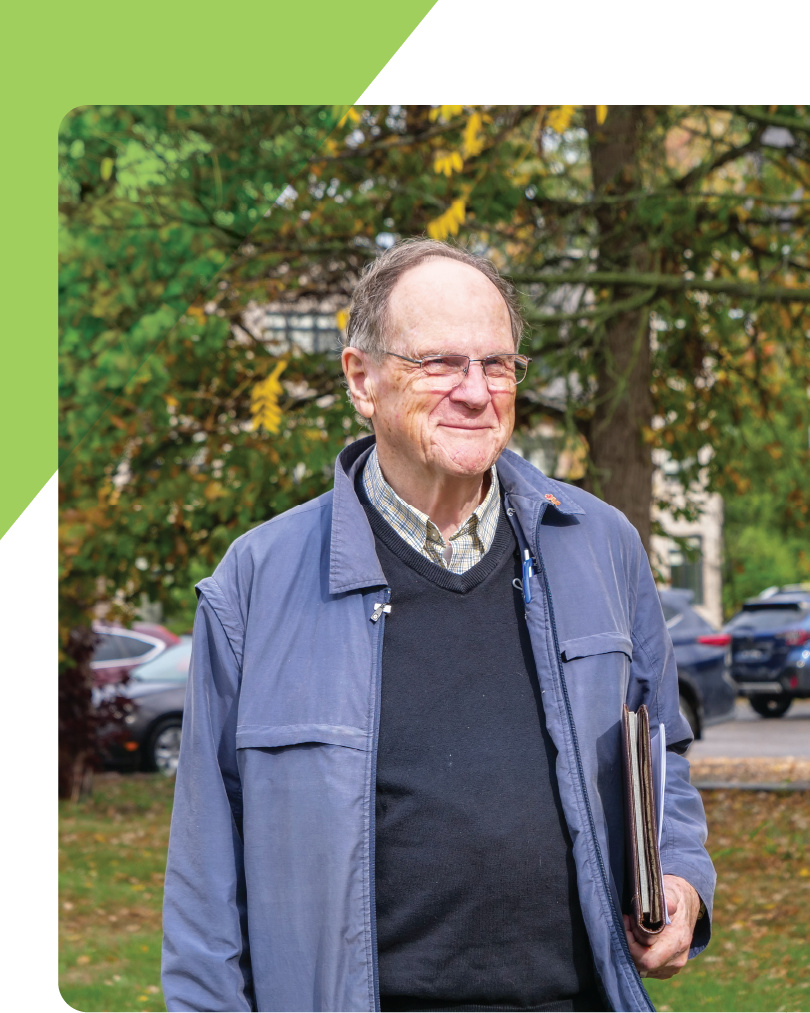
Fueled by United Way, Rural Ottawa South Support Services’ (ROSSS) day program and caregiver services support older adults and seniors with disabilities in rural Ottawa. While participants enjoy activities and social time, caregivers like David get the much-needed break they rely on.
I meet people in the same situation as I’m in and that’s been a real-eye opener. We share experiences, we share successes, and we share failures. It’s a new social group that’s really important for me.
—David, caregiver

The Issue
The strength of a community is determined by the health and wellbeing of those who live there.
Many people face barriers to accessing services rooted in systemic biases related to gender, race, age, ethnicity, religion, sexuality, ability, or economic status. Socially disadvantaged communities experience poor health outcomes at higher rates, and we know that institutional oppression, systemic and overt racism, and chronic exposure to discrimination are often the root causes.
26%
of people in Ontario reported their mental health as poor or fair.
11.1%
of seniors living alone in Ontario are under the poverty rate, compared to 3% of seniors who live in a family setting.
6%
In Ottawa, reported incidents of intimate partner violence rose by 6% in 2025, totalling 7,840—an average of 21 per day.
Our Response
Working with local, frontline partners, United Way East Ontario supports vital programs and services that create opportunities for those facing the greatest challenges while bringing people together to build lasting, community-driven solutions.
Building connection and care in the face of hate and division

This past year, United for All held a series of events, workshops and learning opportunities, focused on empowering community leaders to address anti-Black racism, antisemitism, Islamophobia, anti-2SLGBTQIA+ ideology, and misogyny.
By addressing fear and isolation through learning and connection, United Way helps build stronger communities, where everyone feels safe to participate fully.
Supporting caregivers through community‑based care
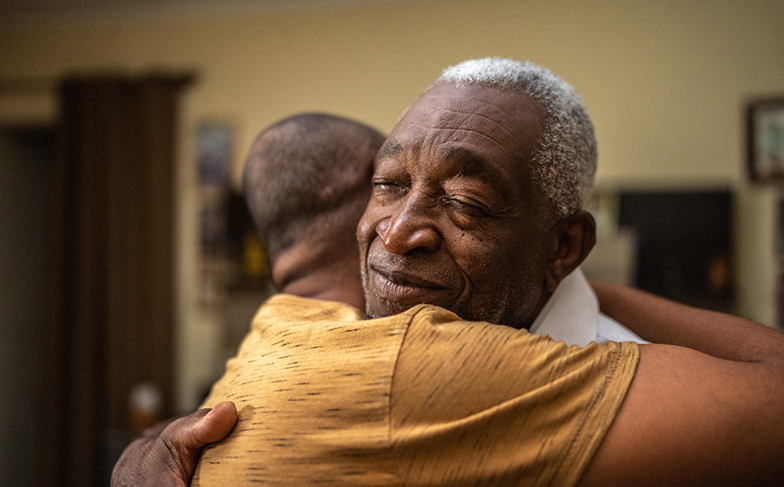
As our population ages, unpaid caregivers are taking on more complex care. Thanks to donor generosity, last year we strengthened caregiver education and peer connection while ensuring seniors had access to safe, engaging daytime programs.
This work helped reduce caregiver burnout, ease isolation, and support the wellbeing of both caregivers and the people they care for—strengthening families and communities across our region.
Housing a Lifeline for Women Fleeing Violence
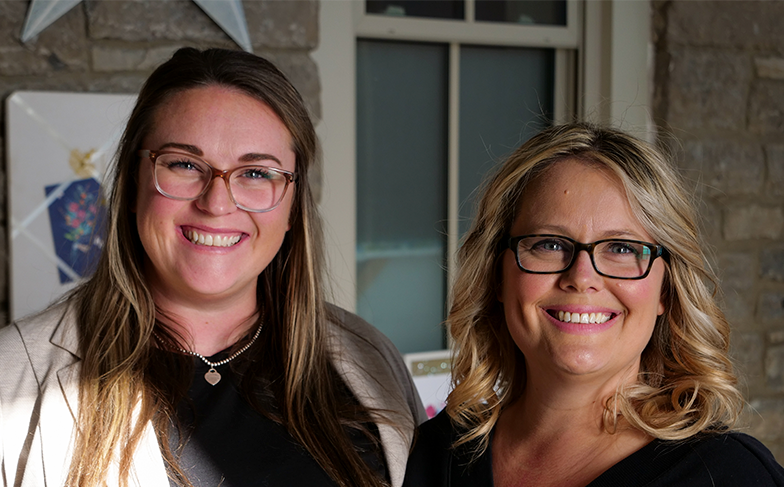
Women fleeing intimate partner violence face urgent barriers to affordable housing, often them with few safe options after leaving violence.
Thanks to United Way donors, women and children accessed stable housing and trauma‑informed supports that helped them move beyond crisis.
This support helped families heal, regain stability, and build a safer future.
Our Impact
With our supporters, United Way helped 67,947 people across our region to improve equity, wellbeing, and connections in 2024-25. Together, we’re building stronger communities and achieving results like these:

Outcomes | Impact | Results |
|---|---|---|
Adults have access to mental health and addiction supports | 88% of clients had improved mental health outcomes | 12,207 individuals received mental health and addiction supports |
Seniors have improved wellbeing and are less isolated | 93% of clients reported reduced feelings of isolation and loneliness | 2,091 seniors and caregivers accessed programs to improve their wellbeing and sense of community |
Neighbourhoods achieve positive change | 89% of participants had increased meaningful connections as a result of their engagement | 6,863 residents engaged with their community on issues of shared importance |
Adults in crisis have access to immediate supports | 66% of clients experienced a reduction to their distress | 34,328 individuals received crisis supports |
Our Goals for the Future
In 2026-27, together we will:
- Support building strong, connected communities to reduce isolation, inequity, insecurity, and fear for people facing the greatest barriers. This includes strengthening training for front-line community developers, providing microgrants to bring community-led ideas to life, delivering vital community programs, and ensuring wellbeing supports are available when people need them most.
- Deepen and mobilize partnerships to confront hate-based polarization and gender-based violence, using advocacy, convening, and investment to drive systemic change.
Want to learn more? Dive into the full Healthy People, Strong Communities section of the report.
100% Local Impact
At United Way, we’re committed to 100% local impact. That means every dollar we invest stays in our region—where it’s needed most and will have the greatest impact. Our annual report, which includes our financial statements, is our way of showing you, our donors, and supporters, that we’ve kept that promise.
Read the complete Annual Report
Your support makes a measurable difference, and we hope this report helps you connect more deeply with our region and the impactful solutions we are driving to strengthen it every day.
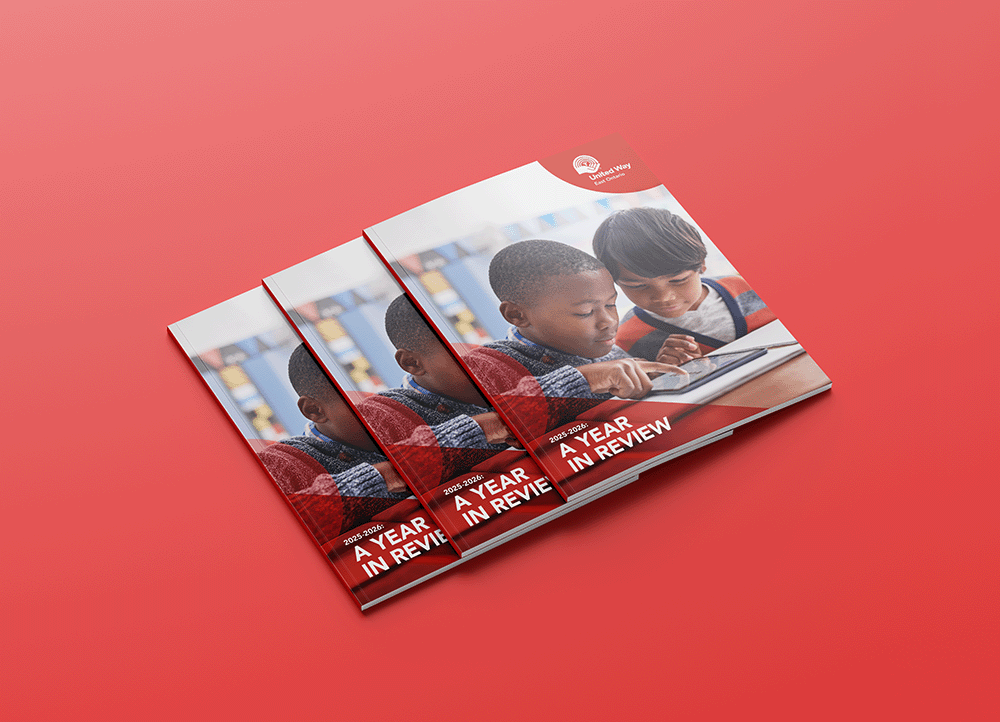
Hope. Action. Community. Straight to your inbox!
Stay up to date with United Way’s impact and latest community news by joining our monthly newsletter.

Last Updated: June 23, 2026